Our services
Integrative Dry Needling in Cheras, Kuala Lumpur
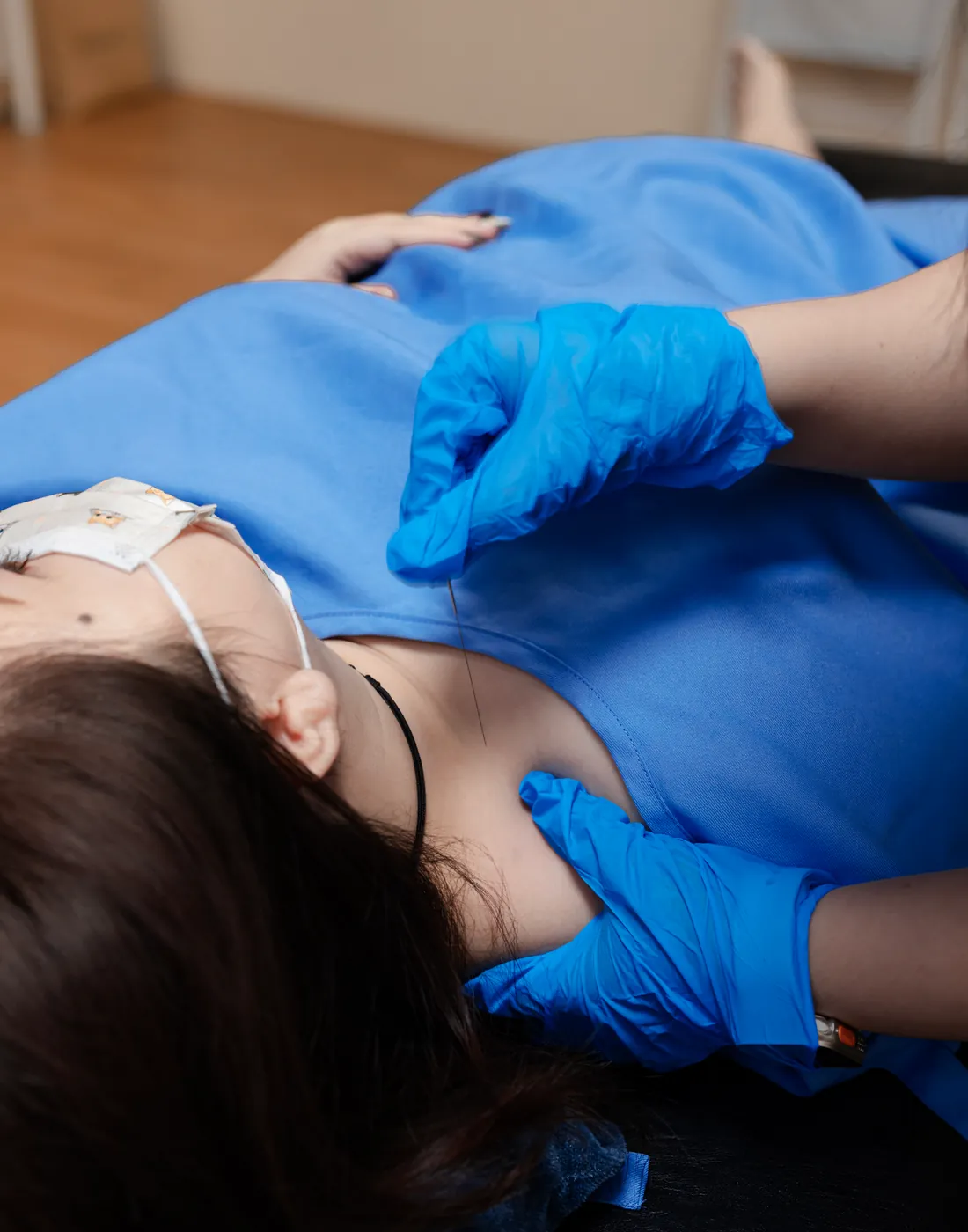
Dry needling is a neuromuscular technique that uses fine, single use needles to reach trigger points and tight bands of muscle that are difficult to release by hand alone. We use it as part of a wider plan rather than on its own, and only where the assessment points to muscle as the thing driving your problem.
- Sterile, single use needles, never reused
- We assess before we needle
- Open seven days · Cheras, Maluri
What we help with
Reasons people come in for integrative dry needling

Tight, knotted muscles that do not release with stretching or massage
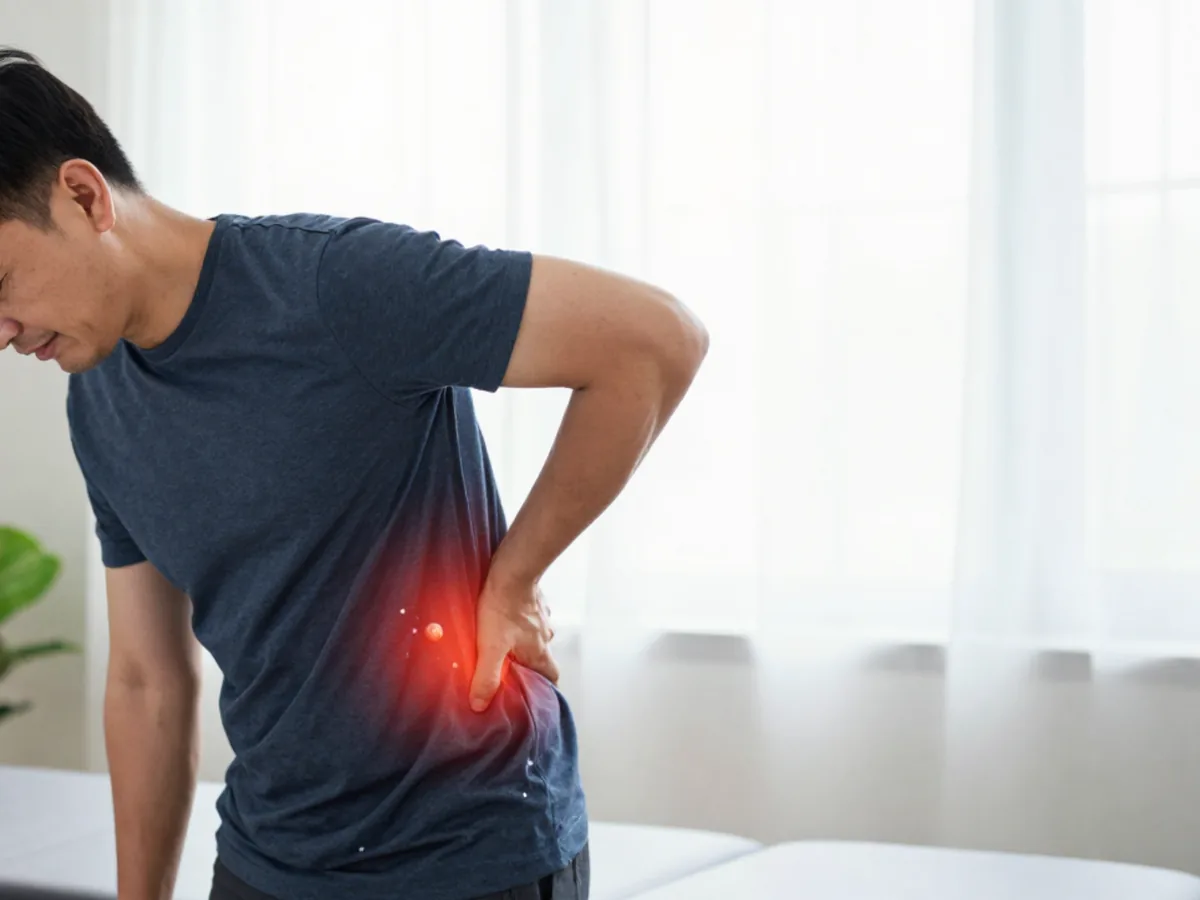
Deep muscular tension linked to neck, shoulder or lower back trouble

Trigger points that keep referring pain to the same spot
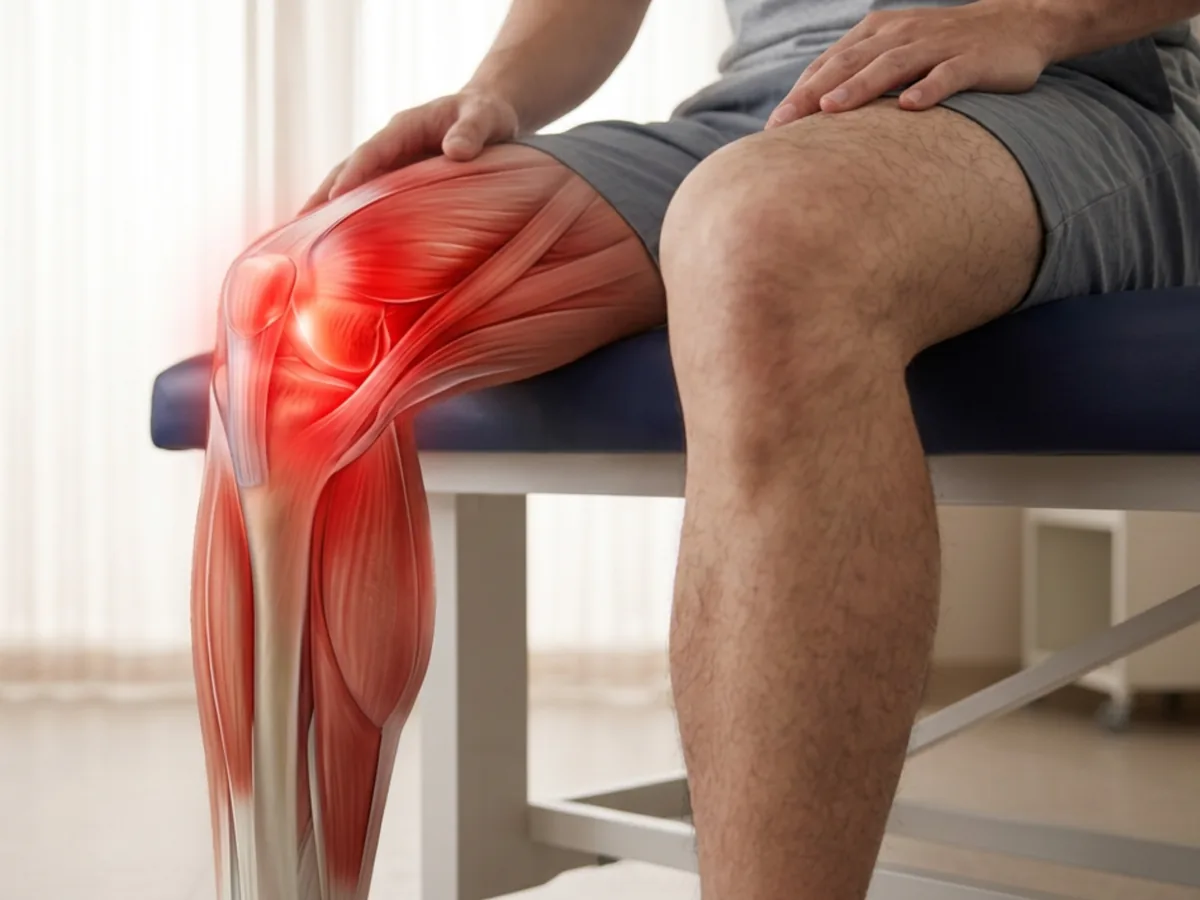
Muscles that stay guarded and overactive after an old injury
Not sure what you need? Tell us what's going on
Start with the assessment. We will tell you what we find, what we would do about it, and whether this is the right approach for your case at all.
Open seven days · Cheras, Maluri · no referral needed
How it works
What integrative dry needling involves here
We assess before we begin, then explain what we find in plain terms, including the parts your care is unlikely to change.
What dry needling actually does
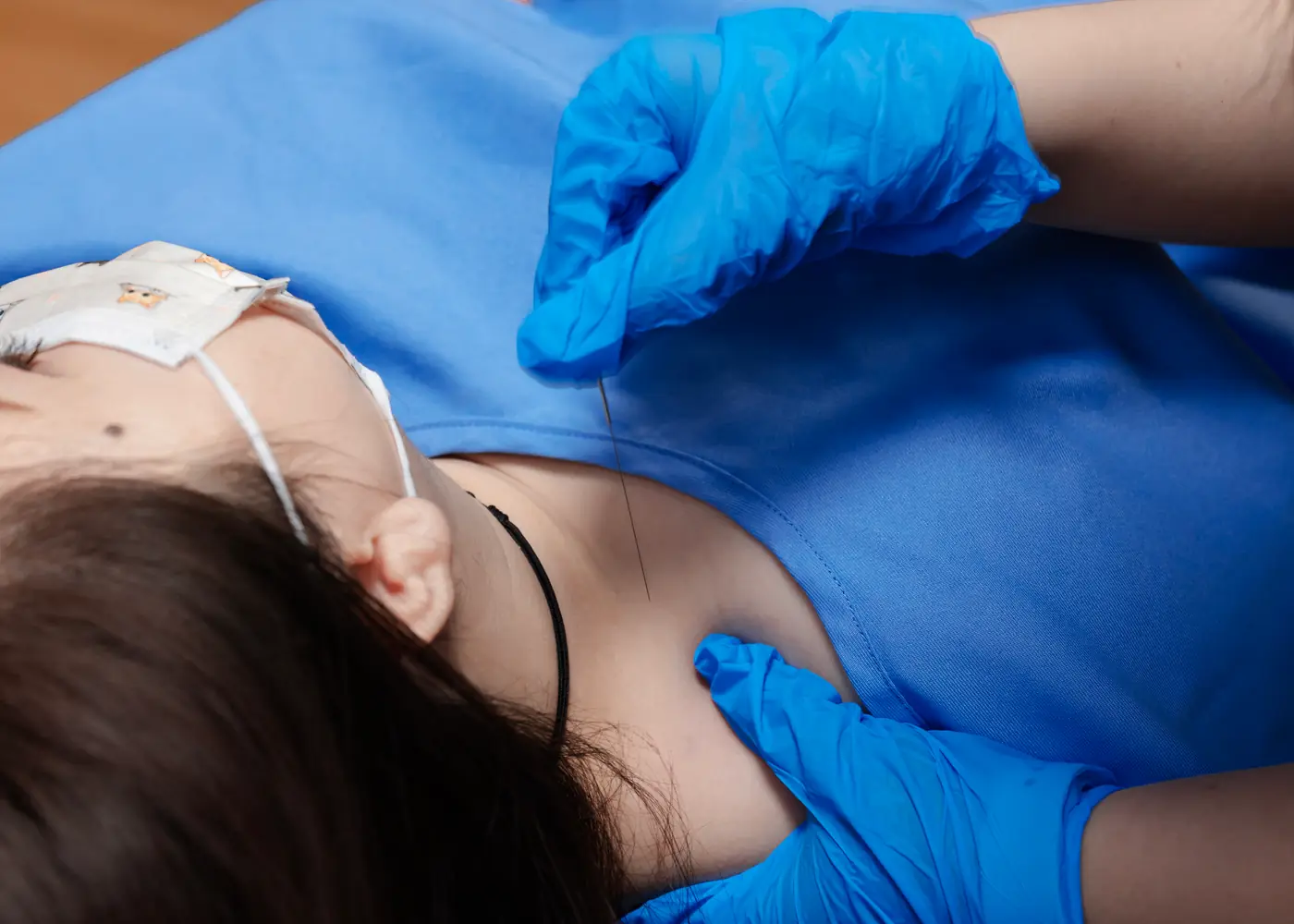
A trigger point is a tight, irritable knot that can refer pain elsewhere. A needle placed into it often triggers a brief twitch, the muscle letting go. How much that helps depends on what is keeping the muscle tight.
What a session involves
We assess first, then place fine needles into the points found. Expect a brief twitch or dull ache, not sharp pain. Sessions run fifteen to thirty minutes and shape the exercise or hands on work paired with it.
Is it safe, and what to expect afterwards
Dry needling is generally very safe in trained hands, with sterile needles used once. Mild soreness or a small bruise for a day or so is common and settles on its own. Tell us if you are pregnant, on blood thinners, or needle-averse.
How it works with the rest of your care
Needling eases tension but does not fix the habit or weakness that tightened the muscle. Under one roof in Cheras we pair it with chiropractic care and physiotherapy. The assessment decides where to start.
How many sessions you might need
This depends on how long the problem has been there, so we will not quote a fixed number upfront. Some notice a change quickly, others need weeks of support. We review honestly as we go rather than sell a package.
Is this right for you?
Not sure if integrative dry needling is right for you?
Tick anything that sounds like you. We will read it back honestly and tell you where to start, even if that is somewhere else.
Opens WhatsApp with your answers filled in. Nothing is sent until you press send there.
From our patients in Cheras
What people say after being seen here

Hishamuddin Badaruddin6 months ago As a medical doctor, I myself, like my fellow doctors, am usually my very own worst patient. I came to see DC Valerie with a back pain which I should have sorted out weeks ago. I was in KL for a short day trip and decided to get treatment as I had the afternoon free. I initially contacted another chiropractic clinic who did not have any slots open but recommended Dr Valerie. Well Dr Valerie is knowledgeable - diagnosed my scoliosis and that my right shoulder pain was due to my mid-thoracic region and that my back pain was due to other issues. Highly recommended and worth it! Need several sessions and self awareness for posture and flexibility - and back strengthening.
Read moreShamil Ataev3 months ago I cannot recommend Dr. Rynn enough! He's incredibly smart, warm, and welcoming, which instantly put me at ease. What really set Dr. Rynn apart was how amazing he was at explaining everything. He broke down exactly what was going on with my spine and walked me through the entire treatment plan so I never felt left in the dark. The best part? I was able to get my consultation and treatment done all on the same day. The adjustment itself was fantastic, and I felt instant relief in my lower back the moment it was done. It’s rare to find a practitioner who combines top-tier expertise with such a great bedside manner. If you are looking for a skilled, compassionate, and efficient chiropractor, do yourself a favor and see Dr. Rynn. I would highly recommend him to anyone and everyone!
Read moreA C3 months ago We brought our daughter here for chiropractic adjustments, and we’ve seen encouraging progress. She has become more responsive, and it has honestly changed the way we think about pediatric chiropractic care. We’re so glad we followed their recommendation to see Dr. Valerie, who specializes in pediatric chiropractic. Thank you for your care and dedication!
Read moreYit Yew Fei3 months ago 正规的chiropractic clinic不多,Persistence算一个。5 stars给Kee Shan,手法利落不啰嗦,几次调整下来肩颈松了很多。值得信赖的专业度。
Read moreKah Mun Wong2 months ago My back felt much better after receiving treatment from Dr Valerie. She is also very helpful in giving advice on workouts or ways to take care of my back. Highly recommended!
Read moreWong Xi Rong3 months ago Have been doing chiro session with Dr Valerie since 2022. She is very professional, trustable and understanding.
Read moreZu En Chiang3 months ago I have a great experience with Valerie, she is patient and professional. She took the time to explain my condition clearly, listened to my concerns, and made sure I felt comfortable before starting any treatment.
Read more
Being straight with you
Who integrative dry needling is for, and who it is not
This is likely a good fit if…
- A muscle stays tight despite stretching and massage, and you want to know why.
- You want the needling to sit inside a plan, with exercise or adjustment alongside it.
- You want sterile single use needles and a practitioner who checks your history first.
- You would rather be told needling is not the answer than have it done anyway.
It is likely not the right fit if…
- You want needling on request, without an assessment of why the muscle is tight in the first place.
- You have a strong fear of needles. We would rather use another approach than talk you into this one.
- You want the needling on its own, with no exercise or follow-up work between sessions.
- You are looking for acupuncture. It uses similar needles but selects points differently, and it is not what we offer.
Meet your chiropractors
The chiropractors who would look after you
Three registered chiropractors, all trained in the Gonstead method and all members of the Gonstead Chiropractic Society Australia and the Association of Chiropractic Malaysia.

Valerie Na
Chiropractor
BAppSc (Chiropractic), BHSc, RMIT University, Melbourne
- Gonstead Chiropractic Society Australia
- Association of Chiropractic Malaysia
- ACM No.
- ACM-2021-384
- MOH T&CM
- CP-PPB2024/10096

Kee Shan Lim
Chiropractor
BSc (Hons) Chiropractic, International Medical University (IMU), Malaysia
- Gonstead Chiropractic Society Australia
- Association of Chiropractic Malaysia
- ACM No.
- ACM-2023-508
- MOH T&CM
- CP-PPB2025/18923
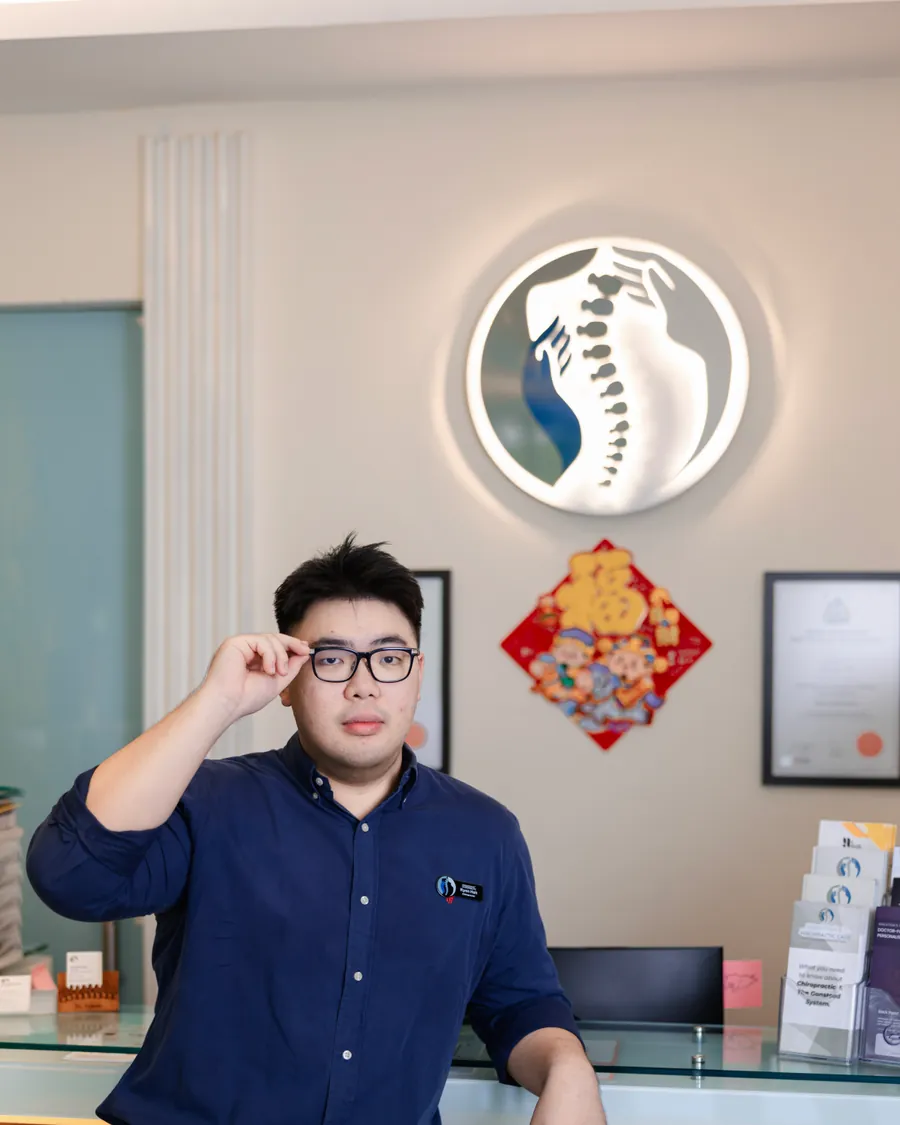
Rynn Hoh
Chiropractor
BSc (Neuroscience), University of Melbourne
BSc (Hons) Chiropractic, International Medical University (IMU), Malaysia
- Gonstead Chiropractic Society Australia
- Association of Chiropractic Malaysia
- MOH T&CM
- CP-PP2026/15619
Registered chiropractors and physiotherapists in Cheras, Maluri. Open seven days, right beside Sunway Velocity.



Questions
Frequently asked questions
Do I need a referral for dry needling?
No. You can book directly with us in Cheras. We assess before any needle is used, and if needling is not the right approach for your case we will tell you.
How long is a first session?
Around forty five minutes to an hour, and most of that is assessment rather than needling. You should leave knowing what we think is going on.
Is dry needling the same as acupuncture?
No. Dry needling is a Western, anatomy based technique: a fine filament needle is placed directly into a myofascial trigger point, a small hyperirritable knot within a taut band of muscle, with the aim of releasing that tension. Nothing is injected, which is where the word "dry" comes from. Acupuncture uses similar needles but comes from traditional Chinese medicine and selects points along meridians rather than by muscle anatomy. Here it is one tool within an assessment led plan, not a standalone therapy.
Does dry needling hurt?
Most patients report a brief twitch response or a dull ache rather than sharp pain. Mild soreness afterwards is common and usually settles within a day. Tell your practitioner if anything feels worse than uncomfortable, because the technique can be adjusted or stopped.
How many sessions of dry needling will I need?
It depends on how long the muscle has been tight and what is keeping it that way, so we will not commit to a number on your first visit. Some people notice a change quickly, while others need the work supported over several weeks alongside exercise. We review as we go rather than sell a fixed package.
Are the needles safe, and are they reused?
Needles are never reused. We use sterile, single use needles that are disposed of after one session. Dry needling is generally very safe in trained hands, though mild soreness or a small bruise afterwards is possible and normal.
Is dry needling safe, and are there side effects?
It is generally considered safe when carried out by a trained practitioner using sterile, single use needles. The most common after effects are mild and short lived: temporary soreness at the site, and occasionally a small bruise, usually settling within a day or two. You can eat, drink, work and train normally afterwards. We check your history first, because there are situations, such as pregnancy, medications that affect bleeding, or a strong fear of needles, where we would choose a different approach. We usually pair a session with specific exercises so the muscle has a reason to stay released.
What does dry needling help with?
People most often come to us when a muscle stays tight despite stretching and massage, when trigger points keep referring pain to the same spot, or when an old injury has left a muscle guarded and overactive. It is commonly used around the neck, shoulders and lower back, and alongside care for problems such as sciatica and shoulder imbalance. Needling can calm an irritable muscle, but on its own it does not change the habit, weakness or joint restriction that let it tighten, which is why we combine it with chiropractic care where the findings point that way.
Should I have dry needling or a chiropractic adjustment?
It depends on what the assessment finds, and the two are often used together rather than as alternatives. Broadly, needling addresses tight, irritable muscle while an adjustment addresses how a spinal joint moves. If you are unsure, message us your main concern and we will point you to the right starting point.
Where to go next
Related conditions and services

Reviewed by Valerie Na, ChiropractorBAppSc (Chiropractic), BHSc, RMIT University, Melbourne · Last reviewed 26 July 2026
References
- Myofascial trigger points are described as hyperirritable spots within a taut band of skeletal muscle. McAphee et al. (2022), International Journal of Sports Physical Therapy
- Surveys of trigger point dry needling report that adverse events are usually minor and transient, such as soreness or minor bruising. Brady et al. (2014), Journal of Manual & Manipulative Therapy
- In Malaysia, chiropractic and physiotherapy are regulated healthcare practices, and practitioners are expected to hold recognised qualifications. Ministry of Health Malaysia
Book your integrative dry needling consultation
Registered chiropractors and physiotherapists in Cheras, Maluri. Open seven days, right next to Sunway Velocity.