What to expect
What to Expect at Your First Chiropractic Visit
A first chiropractic visit at our Cheras clinic takes about 30 to 60 minutes. Your chiropractor takes a full history, examines how your spine moves, arranges an X-ray if it is indicated, explains what they found, and adjusts only if it is appropriate. Wear loose clothes you can move in and bring any previous scans or reports.
Your first visit
The assessment comes first
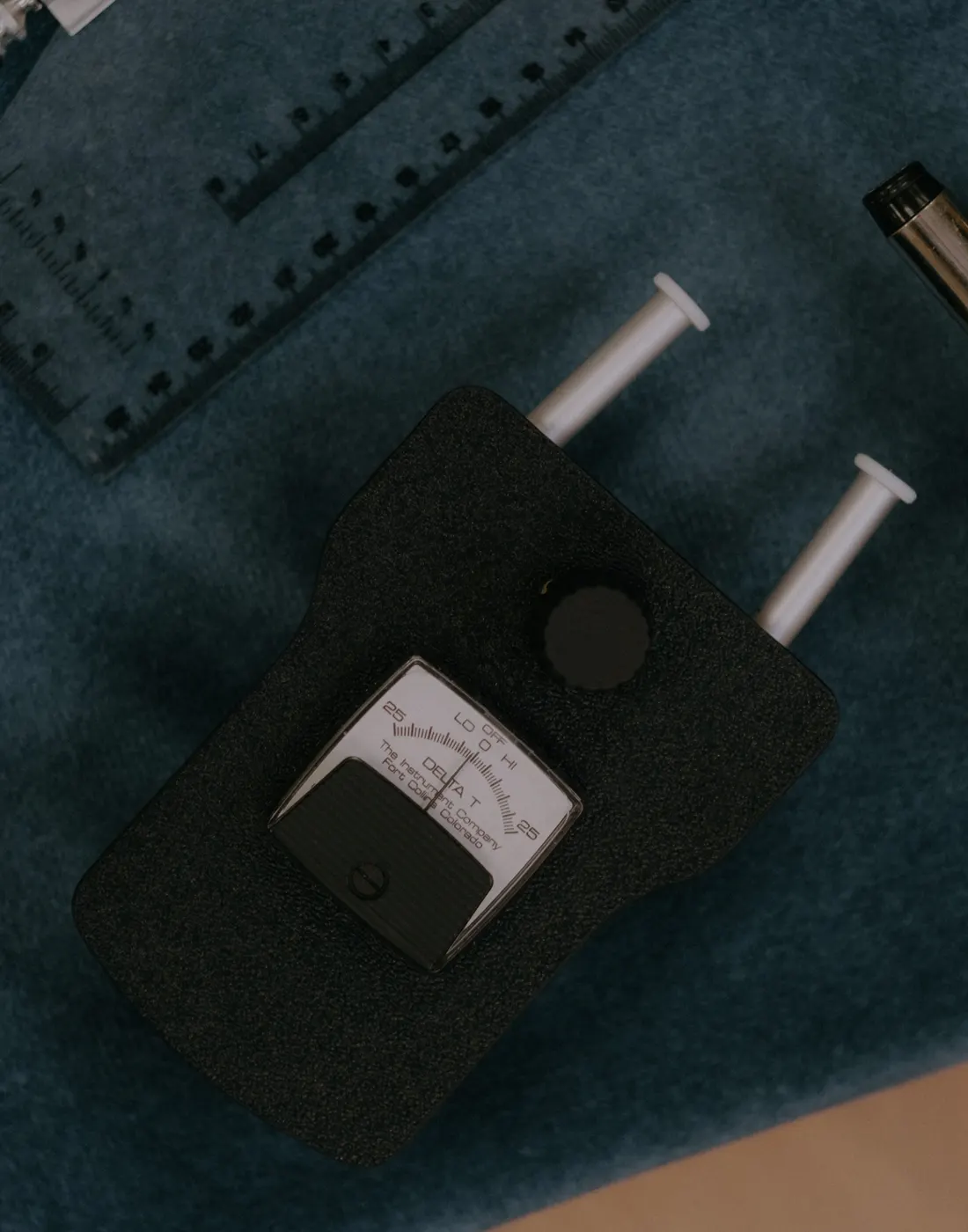
Your first appointment follows the Gonstead six-step assessment: history, visualisation, instrumentation, palpation, X-ray analysis, and only then an adjustment.
If this is your first time here, arrive 5 to 10 minutes early so there is time to complete any paperwork without rushing.

Step by step
Your first chiropractic visit, from booking to going home
Before you arrive
Book online or on WhatsApp and tell us your main concern, and whether you are pregnant. Wear loose, comfortable clothing, and bring any previous X-rays, MRI scans or doctor’s reports, plus a list of medications you take.
When you arrive
Come 5 to 10 minutes early to fill in a short health form without rushing. You are welcome to bring a partner, parent or friend into the room.
History
Your chiropractor asks where it hurts, how it started, what makes it better or worse, and what it has stopped you doing, along with your general health and past injuries.
Examination
They look at how you stand and move, take nervoscope readings along your spine, and feel each spinal and pelvic joint to find the ones not moving as they should. You stay in your clothes, and a gown is offered if your back needs to be seen.
X-ray, where it is indicated
Many patients have a spinal X-ray to rule out anything that would change the plan and to show the joints themselves. It is not done for everyone, and it is avoided in pregnancy and for children unless there is a clear reason.
Findings and a plan
Your chiropractor explains what they found in plain language, what is realistic, and what they suggest next. You can take time to think it over before booking anything further.
Your first adjustment
If it is appropriate and you agree, you are adjusted, usually lying on a padded adjusting table or seated on an adjusting chair. You may hear a click. If the findings point elsewhere, you are referred rather than adjusted.
Afterwards
Mild soreness for a day is common. The aftercare tips below cover what helps, and you can message us with any questions once you are home.
After your adjustment
Looking after your back afterwards
Chiropractic care supports your body’s own recovery, and what you do between visits matters too. Soreness after a recent adjustment is common and settles as your tissues adjust. Tell us how you felt at each visit, better or worse.
- Walking / Movement
- Have some light movements or take a slow walk to stimulate your blood flow. Motion is key! Try to avoid any movement that can cause discomfort. Vigorous exercises should also be avoided for at least 2-3 days following your adjustments.
- Hydration
- Drink plenty of water. Staying well hydrated supports recovery and can help with the soreness some patients notice after an adjustment.
- Sleeping and sitting
- Choose a supportive mattress and pillow that keep your spine neutral, and sleep on your back or side rather than your stomach. When sitting, keep your hips back in the chair with lumbar support, and get up for a stretch every 30 minutes.
- Ice pack
- Apply an ice pack wrapped in cloth for 3 rounds of 5 minutes, with 5 minute rests between. This helps settle pain and swelling. Avoid heat on a freshly irritated joint, and check with your chiropractor if you are unsure.
Questions
Frequently asked questions
Is Chiropractic & Physiotherapy suitable for all ages?
We see patients of every age, from infants through to older adults, as well as teenagers and pregnant women. Our youngest patient was 4 months old and our eldest 96. Suitability still depends on the individual, and some presentations are not appropriate for adjustment, so an assessment always comes before anything is adjusted. If your chiropractor feels another healthcare provider would better help you, you will be referred appropriately.
Will I be adjusted on my first visit?
Usually, yes, but only once the assessment is done and only if it is appropriate. If the history, examination or X-ray suggests adjustment is not the right call, for example a recent fracture or a problem that belongs with a doctor, your chiropractor will explain why and refer you instead. You can also say you would rather wait, and nothing is adjusted without your agreement.
What is the cracking sound during an adjustment?
It is thought to come from a small gas cavity forming in the fluid inside the joint as the joint surfaces separate slightly, the same thing that happens when you crack your knuckles. Imaging studies of finger joints support this explanation. It is not bones grinding or anything breaking, and the sound on its own does not tell you whether an adjustment went well. Some adjustments make no sound at all.
Is it normal to feel sore after my first adjustment?
Yes, mild soreness is common, especially after the first few visits. A large study of chiropractic patients found that about half noticed some reaction, most often local soreness, mild or moderate in most cases. Most reactions appeared within a few hours and about three quarters had gone within 24 hours. Gentle walking, staying hydrated and the aftercare advice on this page usually help.
When is soreness after an adjustment not normal?
Call us if soreness is getting worse rather than better after two days, or if it is severe. Seek medical help straight away for new numbness, weakness, tingling in your arms or legs, a sudden severe headache, dizziness, slurred speech, trouble swallowing or changes to your vision, or any loss of bladder or bowel control. These are rare, but they are not ordinary post-adjustment soreness.
What are the benefits of getting a Chiropractic adjustment?
Adjustments aim to improve how well a restricted joint moves, and patients often report less discomfort and easier movement afterwards. How much changes, and how quickly, varies from person to person and depends on what is causing the problem in the first place. Your chiropractor will tell you what is realistic for your case after assessing you, rather than promising a particular result beforehand.
How long does a follow-up visit take?
Most subsequent visits for Chiropractic take up around 15-30 minutes, and Physiotherapy follow up sessions take up around 45-60 minutes. It highly depends on the patient's current condition, so schedule your time well to avoid disappointments.
How many sessions will I need?
There is no specific number of sessions for each individual, and we will not give you one at the first visit. It highly depends on the patient's current condition, recovery time and personal goals. Factors such as lifestyle, sitting posture and desk ergonomics also contribute to your recovery. Hence, patients might be expected to come back for more than 1 session. This is because after your first few adjustments, your muscle memory tends to bring your body back to its old patterns instead of creating new ones. Repeated adjustments will help your body to learn new patterns of mobility until the new ones can take over the old ones. Short term relief can come quickly, but changing your posture, spine's ability to move and muscle health will take time, months in fact.
Do I need Physiotherapy if my pain is not severe?
Physiotherapy is not only for severe injuries. Assessing a problem early often means it is easier to manage before it becomes chronic or recurring, and recovery tends to be more straightforward.
Will Physiotherapy be painful?
Physiotherapy should not cause excessive pain. Some mild discomfort may occur during assessment or exercise, but the work is always adjusted according to your tolerance and comfort level.
Do I still need Physiotherapy after Chiropractic care?
Chiropractic care aims to restore joint mobility and ease discomfort, while Physiotherapy focuses on strengthening muscles and improving movement control. For many patients the two approaches work well together, and your practitioner will advise whether both are appropriate for you.
Can I continue gym or sports during my care?
In many cases, yes. However, modifications may be required. Our practitioners guide patients on safe loading, exercise progression, and return-to-sport strategies.
How much does a first visit cost?
Our new patient bundle is RM588, and it covers the chiropractic initial consultation and first adjustment, an X-ray, and a physiotherapy initial assessment with a home exercise programme to take away. Paid for separately those come to RM660. What you need after that depends on what the assessment finds, which is why we will not quote you a course of care before we have seen you. If you would rather book just one part of it, message us and we will tell you what that costs.
What should I wear for my sessions?
We encourage our patients to wear non-restrictive clothing that is comfortable and easy to move in. Some examples such as loose-fitting clothing, shorts, yoga pants, or leggings would be best suited.
Can I ask for a particular chiropractor?
Yes, and it is easier to arrange if you say so when you book rather than on the day. Some patients have a preference about who they see, and asking for a woman is one of the more common ones. Message us with the days that suit you and we will tell you honestly who has room. If the person you asked for has nothing free at a time you can make, we will say so rather than quietly put you with someone else.
Can I bring someone into the room with me?
Yes. A partner, a parent or a friend, whoever you would feel easier having there. You do not need to give a reason, and it changes nothing about how the assessment runs. Mention it when you arrive so we can put an extra chair in the room.
Ready to book?
Registered chiropractors in Cheras, Maluri. Open seven days, right next to Sunway Velocity.