
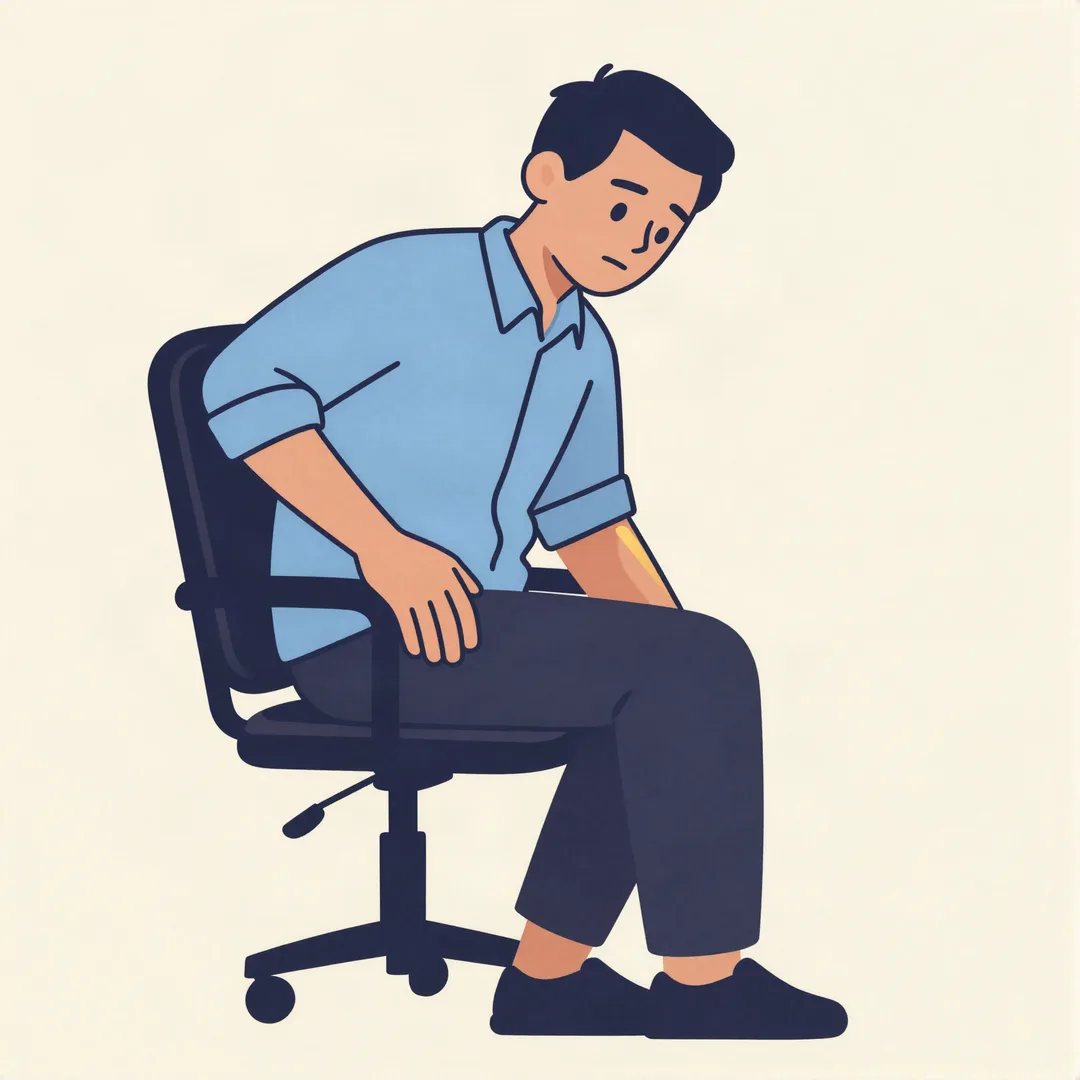
Sciatica and piriformis syndrome both cause pain in the buttock and down the back of the leg, which is why they get mixed up. The difference is where the sciatic nerve is being irritated. Sciatica is the name for the symptom, nerve pain running down the leg, and its most common source is a disc or narrowing in the lower spine. Piriformis syndrome is one proposed cause that sits outside the spine, where the sciatic nerve passes under or through a small muscle deep in the buttock. It is far less common than a spinal cause, the diagnosis is still debated, and there is no single test that confirms it. This guide explains the difference, the clues that point one way or the other and how much each clue really tells you, and what a clinician checks.
Key takeaways
- What is the difference between sciatica and piriformis syndrome?
- Sciatica is the symptom, nerve pain down the back of the leg. Piriformis syndrome is one possible cause, where the sciatic nerve is irritated by a muscle deep in the buttock rather than in the spine.
- Which is more common, sciatica from the spine or piriformis syndrome?
- Sciatica from the spine, usually a disc. Research estimates of piriformis syndrome range from under 1% to around 15% of the number of disc herniations.
- Is piriformis syndrome a real diagnosis?
- Probably, but it is debated. There is no agreed test, so spinal causes are usually ruled out first before it is considered.
- What is the best clue that it is coming from the spine?
- Numbness, weakness or a reflex change in the leg points towards a nerve root in the spine. Pain past the knee and pain on coughing also lean that way.
- Can you have both at once?
- Yes. When a nerve root in the back is irritated, the buttock muscles often tighten too, so a sore piriformis can sit on top of a spinal problem.
Sciatica vs piriformis syndrome: what is the difference?
Sciatica describes a symptom, while piriformis syndrome is one possible cause of it. That is the root of most of the confusion.
Sciatica is pain, tingling or numbness that follows the sciatic nerve from the buttock down the back of the leg, often past the knee and into the foot. The nerve is made up of nerve roots that leave the lower spine, so anything that irritates those roots can cause it. A slipped disc is the most common reason, followed by narrowing of the spinal canal, known as spinal stenosis. Our sciatica page covers the full picture.
Piriformis syndrome is the idea that the sciatic nerve can be irritated further down its path, where it runs beneath the piriformis, a small muscle that runs from the base of the spine to the top of the thigh bone, deep in the buttock. If the muscle is tight, overworked or bruised, it may press on the nerve and cause sciatica-like pain without anything wrong in the spine.
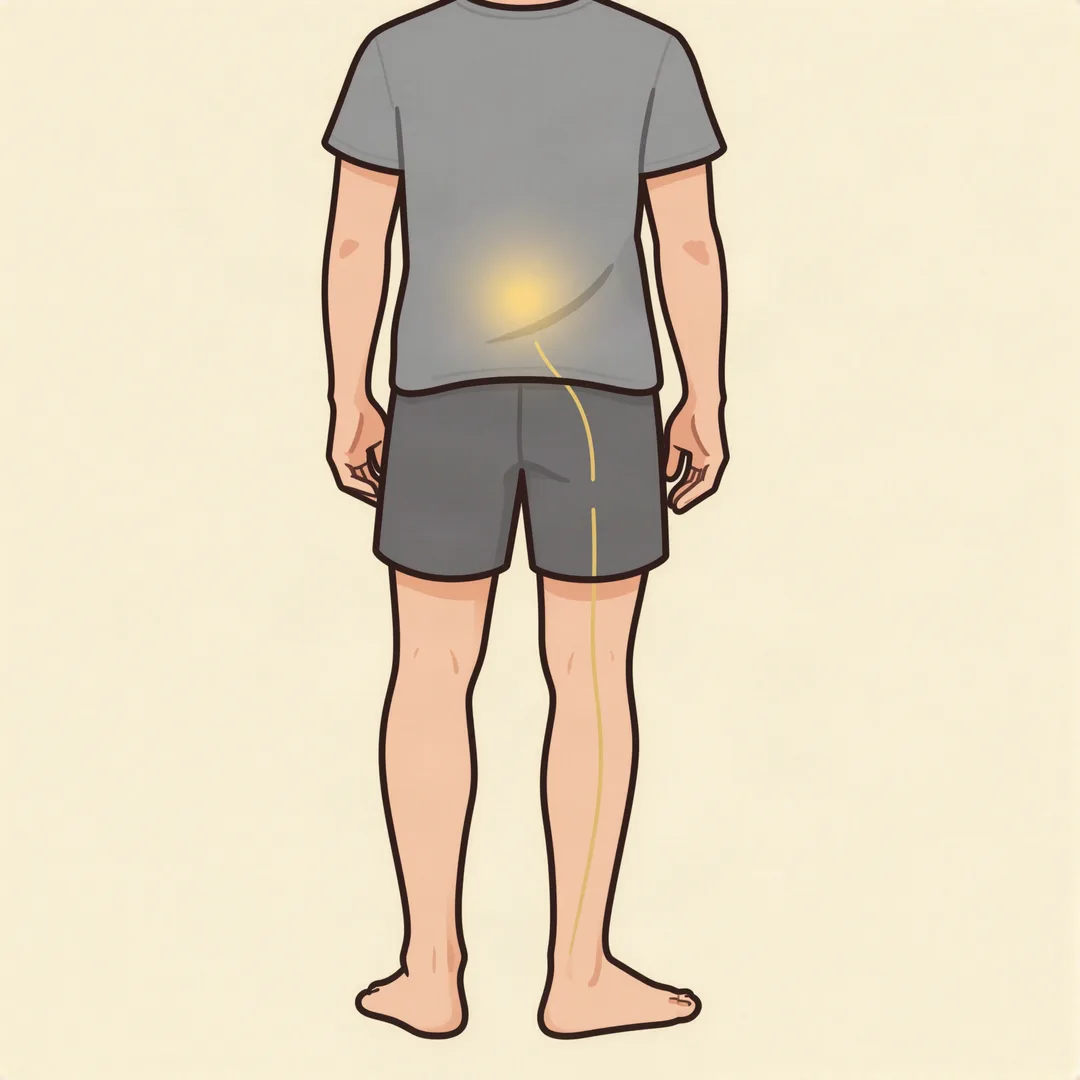
Sciatica from the spine
Starts in the lower back and often runs past the knee into the foot.
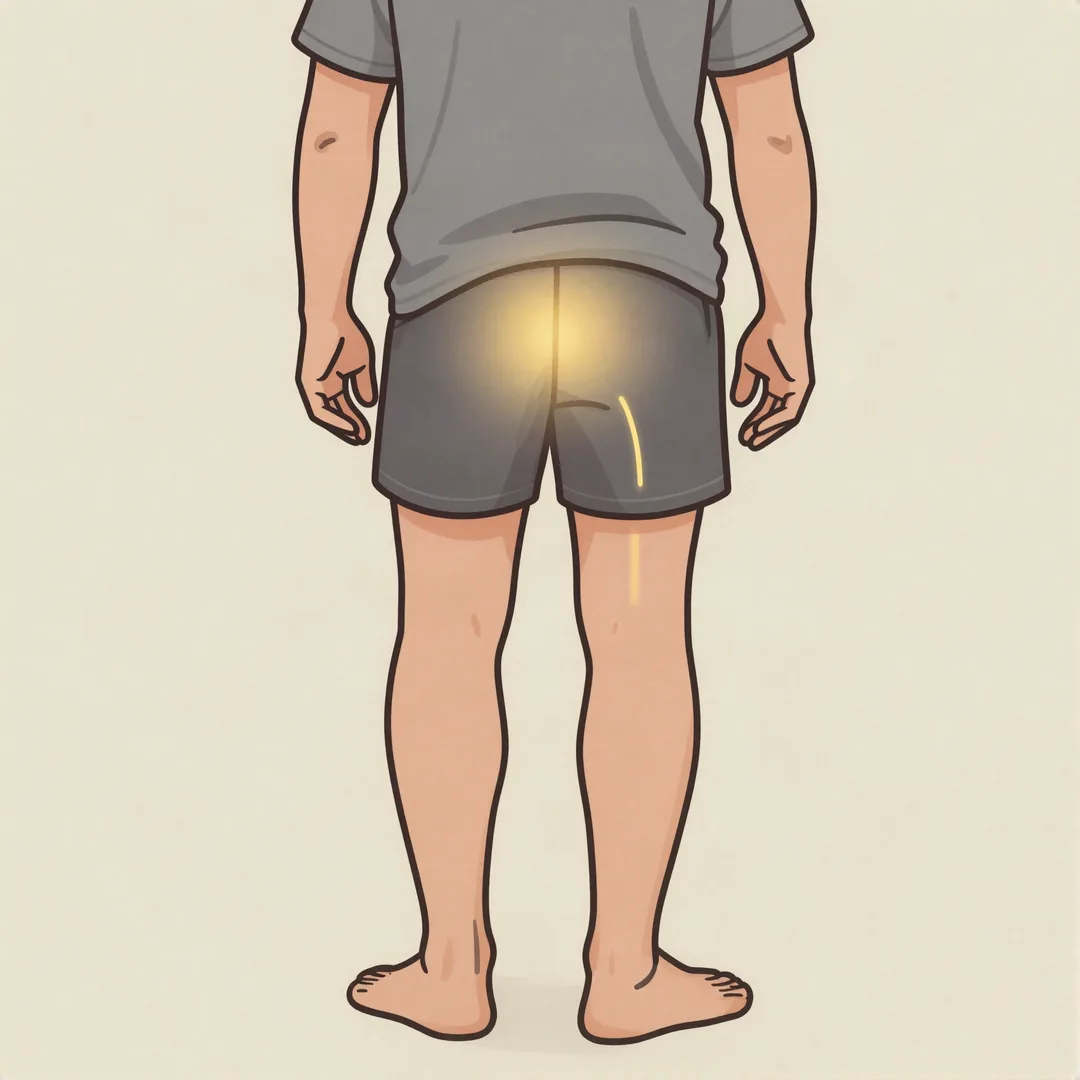
Piriformis syndrome
Centred deep in one buttock, usually with little or no back pain.
Is piriformis syndrome real? Why the diagnosis is still debated
Piriformis syndrome probably exists, but how often it happens is genuinely uncertain, and that is worth knowing before you settle on it as your answer. A systematic review of the condition noted that it has been described for over 70 years and remains controversial. In one survey it quoted, only 21 of 29 rehabilitation specialists in the United States believed the condition exists at all.
Part of the debate is about anatomy. In some people the sciatic nerve, or part of it, passes through the piriformis muscle instead of beneath it, and this was once thought to explain piriformis syndrome. A large review of cadaver and surgical studies found this variation in about 17% of people in general and about 16% of people operated on for piriformis syndrome. It was no more common in the people with symptoms, which suggests the anatomy alone is not the cause.
The practical upshot is simple. Because there is no agreed test, spinal causes are usually ruled out first. Piriformis syndrome is a reasonable explanation when the spine has been checked and the pattern fits, not a label to start with.
How common is piriformis syndrome compared with disc-related sciatica?
Piriformis syndrome is much less common than sciatica from the spine. Estimates in the research vary widely, from under 1% to around 15% of the number of people with a disc herniation, depending on how strictly it was defined. A disc in the lower back remains the most common cause of sciatica.
That matters because the two are looked after differently. If a disc is the problem, stretching the buttock alone may miss it. If it is the piriformis, care aimed only at the spine may not help much.
Sciatica or piriformis syndrome: the clues, and how much each one tells you
No single symptom separates the two. This table lists the clues people most often notice, what each tends to look like, and how much weight it carries on its own.
| Clue | Sciatica from the spine | Piriformis syndrome | How much it tells you |
|---|---|---|---|
| Where the pain starts | Lower back, then down the leg | Deep in one buttock | Some |
| Pain below the knee into the foot | Common | Less common | Some |
| Lower back pain at the same time | Often | Usually little or none | Some |
| Worse when sitting | Often | Often, especially on a hard seat or a wallet | Weak, since both are |
| Worse when you cough or sneeze | Common with a disc | Unusual | Some |
| Numbness, weakness or a reflex change in the leg | Common when a nerve root is compressed | Uncommon | Strong, points to the spine |
| Tender spot deep in the middle of the buttock | Sometimes | Usual | Some |
| Pain when the hip is turned in and the knee brought across the body | Sometimes | Often | Some |
| Straight leg raise reproduces the leg pain | Often | Less often | Some |
The clues overlap, and real people do not read the textbook. Weakness, numbness or a reflex change is the strongest single pointer, and it points towards the spine, not the buttock. If you are working on the exercise side, our sciatica exercises guide shows which movements suit each cause.
Is this right for you?
Not sure if we can help with sciatica and sciatic nerve pain?
Tick anything that sounds like you. We will read it back honestly and tell you where to start, even if that is somewhere else.
Opens WhatsApp with your answers filled in. Nothing is sent until you press send there.
How a clinician tells sciatica and piriformis syndrome apart
The assessment works through the spine first and the buttock second. A typical examination includes:
- History. Where the pain started, what makes it worse, whether coughing or sneezing sends it down the leg, and any numbness, weakness or bladder changes.
- Lower back movement. Bending and arching to see whether back movement reproduces the leg pain.
- Nerve tests. Strength in the ankle and toes, reflexes at the knee and ankle, and skin sensation along the leg. Changes here point to a nerve root in the spine.
- Straight leg raise. Lifting the straight leg while you lie on your back. Leg pain at a low angle suggests an irritated nerve root.
- Hip and buttock tests. Turning the hip inward and drawing the knee across the body, known as the FAIR test, and pressing deep in the buttock over the sciatic notch. Pain here, with a clear spine, makes piriformis syndrome more likely.
- Imaging only when it would change the plan. An MRI is not needed for most sciatica, but it is considered when there is weakness, symptoms are severe, or they are not settling after several weeks.
None of the hip tests is accurate enough on its own. It is the whole pattern, and a clear spine, that points towards the buttock. Our pages on slipped disc and hip pain cover the other common lookalikes.
Can you have sciatica and piriformis syndrome at the same time?
Yes, and it is more common than the either-or framing suggests. When a nerve root in the back is irritated, the muscles of the buttock often tighten and guard, so a sore piriformis can sit on top of a spinal problem. That is one reason buttock stretches sometimes help a little but do not settle things fully.
Go to an emergency department straight away if you have:
- loss of bladder or bowel control, or numbness around the groin, buttocks or inner thighs
- weakness in both legs, or weakness that is quickly getting worse
Book an assessment soon if:
- a foot drags, or you cannot walk on your heels or toes
- numbness is spreading, or pain is so severe you cannot sleep
- the leg pain is not improving after two to three weeks
- the pain came on after a fall, or you have a history of cancer, fever or unexplained weight loss
At our clinic in Cheras, the assessment checks the lower back, the nerve and the hip before we decide where the problem is coming from. From there we can explain whether chiropractic care, physiotherapy or a referral for imaging makes sense, and what to do at home in the meantime.
Frequently asked questions
Does piriformis syndrome show up on an MRI?
Usually not in a way that confirms it. An MRI is mainly used to look at the lower spine, and a normal spine scan with a matching buttock pattern is part of what makes piriformis syndrome more likely. Specialised scans of the buttock exist but are not routine.
Can sitting on a wallet cause piriformis syndrome?
Sitting for long periods on a thick wallet or a hard seat presses on the buttock and is a commonly reported trigger for buttock and leg pain. Moving the wallet to a front pocket and breaking up long drives is an easy change worth trying.
Does stretching the piriformis help sciatica?
It may ease buttock tightness for some people, but if the nerve is being irritated in the spine, buttock stretches alone are unlikely to settle it. Our sciatica exercises guide matches the exercises to the likely cause.
How long does piriformis syndrome last?
It varies. Many people improve over a few weeks to a few months as the muscle settles and sitting habits change. Pain that keeps returning, or that comes with numbness or weakness, should be reassessed, because the cause may be in the spine instead.
Should I see a chiropractor or a physiotherapist for piriformis syndrome?
Either can assess it. What matters most is that the lower back is checked as well as the buttock. At our clinic, chiropractors and physiotherapists work together, so the assessment decides whether care focuses on the spine, the hip and buttock muscles, or both.
Sciatica vs piriformis syndrome: the bottom line
Sciatica is the symptom, and the spine is its most common source. Piriformis syndrome is one possible cause outside the spine, it is less common, and it is a debated diagnosis without a single test. Pain that starts in the back, runs past the knee, or comes with numbness or weakness points towards the spine. Pain centred deep in one buttock, worse with sitting and with a clear spine, makes piriformis syndrome more likely. Because they overlap, a proper assessment is the reliable way to tell them apart. If you would like yours checked in Cheras, message us on WhatsApp.