
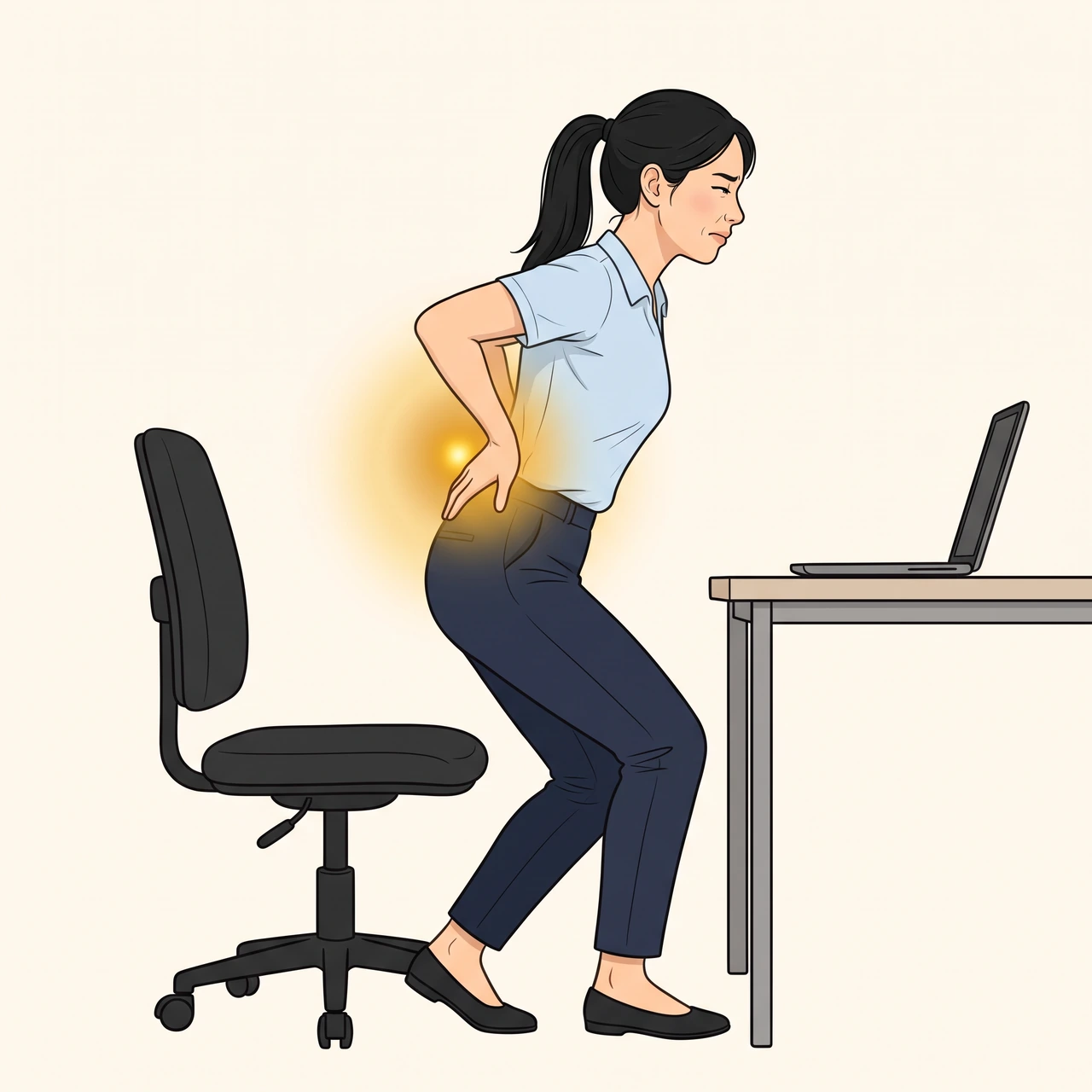
The best lower back pain exercises depend on where you are with it. In the first few days of a fresh flare, gentle movement matters more than any particular routine. If your back has been sore for months, or keeps coming back every few weeks, building strength is where exercise tends to earn its keep. This guide covers both, plus a five minute routine for long desk days. If your pain runs down your leg rather than staying in your back, our guide to sciatica exercises is the better place to start.
Key takeaways
- Do lower back pain exercises help?
- It depends on the stage. For a fresh flare, research finds structured exercise adds little over simply staying active. For back pain lasting more than about three months, a Cochrane review found exercise reduces pain by an amount people notice.
- What should I do in the first days of a lower back pain flare?
- Keep moving gently: short walks, knee rolls, pelvic tilts and cat-camel, in whatever range is comfortable. Bed rest tends to leave the back stiffer.
- Which exercises help a back that keeps coming back?
- Building endurance around the trunk and hips, with moves such as the dead bug, side plank from the knees and hip hinge, increased gradually over weeks rather than days.
- When should I stop a lower back exercise?
- If it causes sharp pain, sends pain into your leg, or leaves your back worse the next morning. A mild ache while moving is normally fine.
- What helps lower back pain from sitting at a desk?
- Breaking up the sitting. Every 30 to 45 minutes, stand, walk, do a few gentle back bends and hip hinges, then sit back down with your lower back supported.
Do lower back pain exercises help? It depends on the stage
For a fresh flare, the research says a structured exercise programme makes little difference compared with simply staying active. A 2020 review of reviews found exercise therapy did little or nothing extra for pain or disability in acute low back pain, compared with advice to keep moving, an educational booklet or usual care. So in the first days, the goal is to keep moving comfortably, not to work out.
For back pain that has lasted more than about three months, the picture changes. A 2021 Cochrane review of 249 trials found moderate certainty evidence that exercise reduces pain by an amount people actually notice, compared with no exercise programme or usual care. UK guidance from NICE also recommends exercise for back pain that is slow to settle.
That is why this post is split in two. The first set of moves is about comfort while things calm down. The second set is about building a back that copes better with a long working week.
Lower back pain red flags to check first
See a doctor or go to the emergency department before trying any exercise if you have:
- loss of bladder or bowel control, or numbness around the groin and inner thighs
- weakness in one or both legs that is getting worse
- back pain after a significant fall or accident
- fever, weight loss you cannot explain, or night pain that wakes you
- a history of cancer, osteoporosis or long term steroid use alongside new back pain
These are uncommon, but they are the reason every exercise here comes second to getting checked when something feels wrong.
Lower back pain exercises for the first days of a flare
Move little and often, in whatever range feels comfortable. A mild ache while moving is fine. Sharp pain, or pain that spreads into your leg, means stop that movement.
Walking for a lower back pain flare
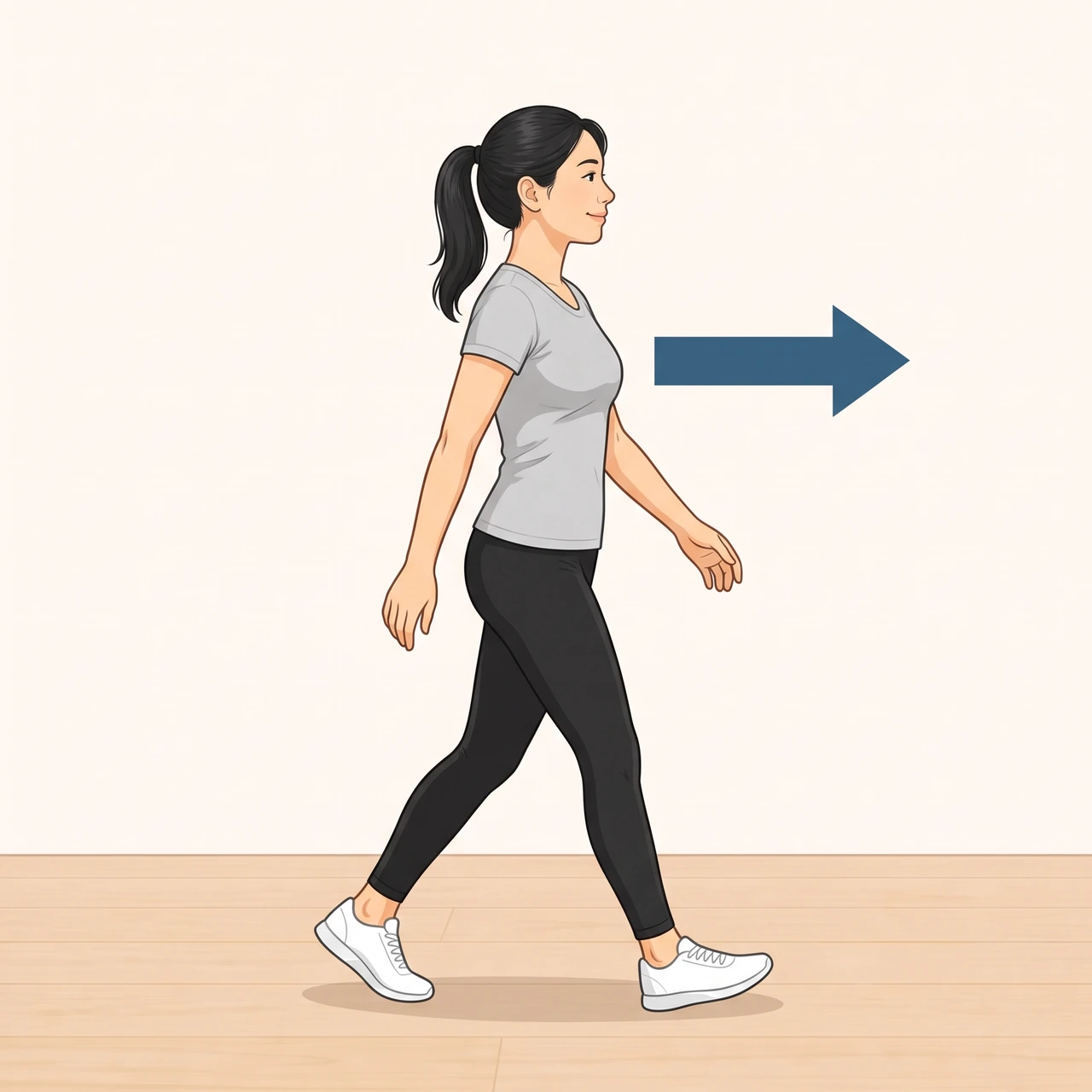
Walk for five to ten minutes on flat ground, a few times a day. Short and frequent is gentler than one long walk. If sitting is what hurts, a walk round the block every hour or so can do more than any stretch.
Knee rolls
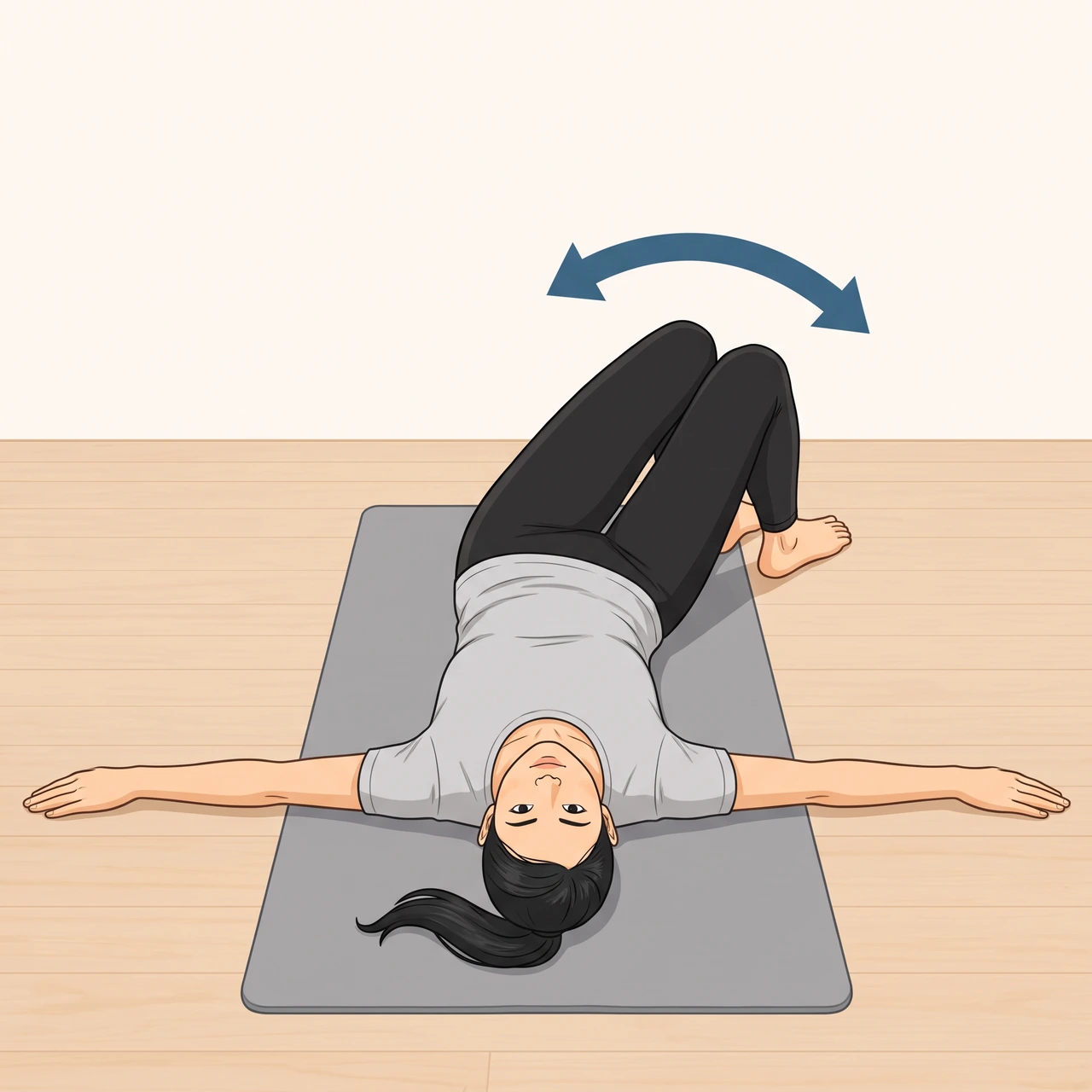
- Lie on your back with your knees bent and your feet flat.
- Keeping your shoulders on the floor, slowly let both knees roll to one side, only as far as is comfortable.
- Bring them back to the middle, then roll to the other side.
- Repeat ten times each way, slowly.
Pelvic tilt
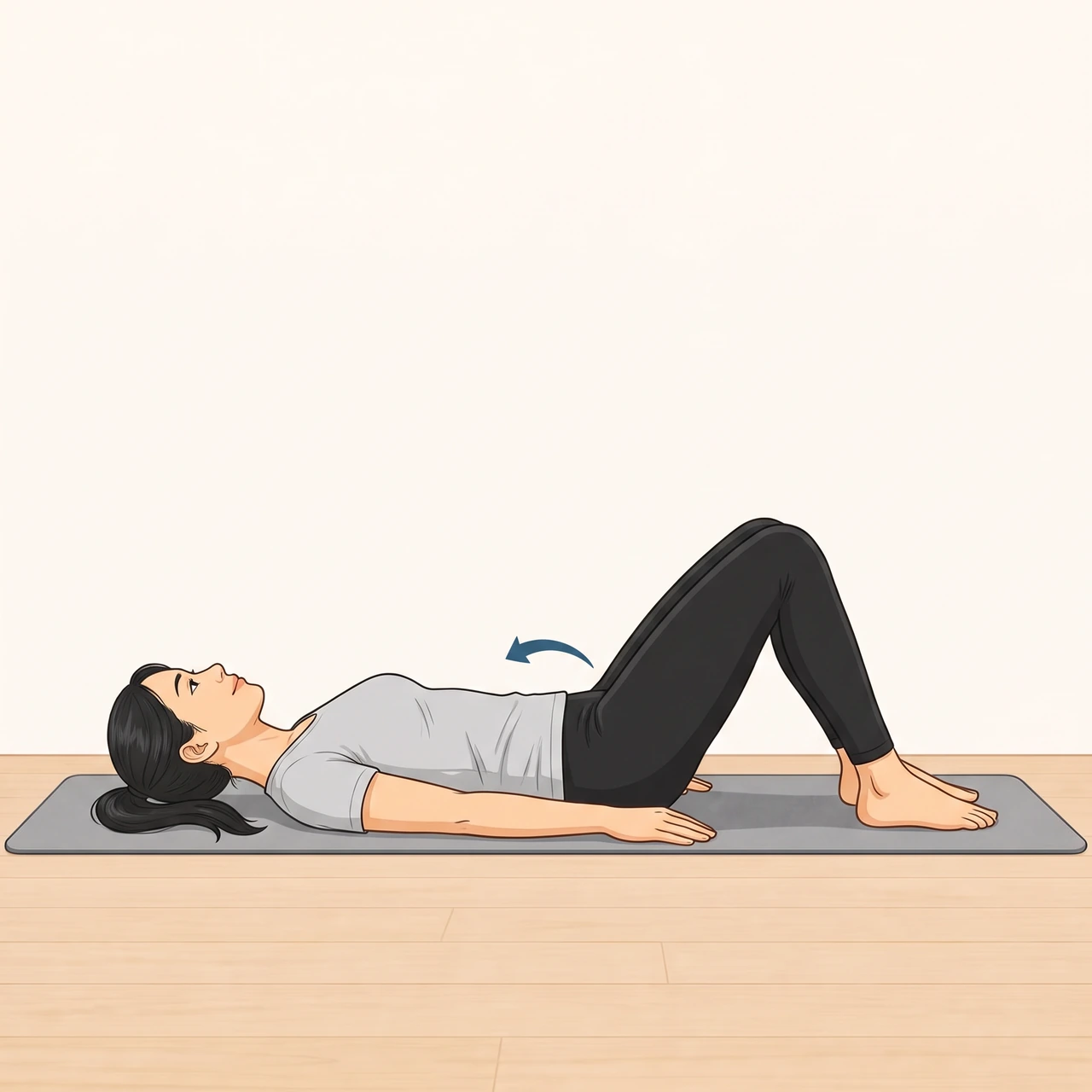
- Lie on your back with your knees bent and your feet flat.
- Gently tighten your stomach and flatten your lower back into the floor, so your pelvis rocks back a little.
- Hold for three to five seconds while breathing normally, then relax.
- Repeat ten times.
Cat-camel
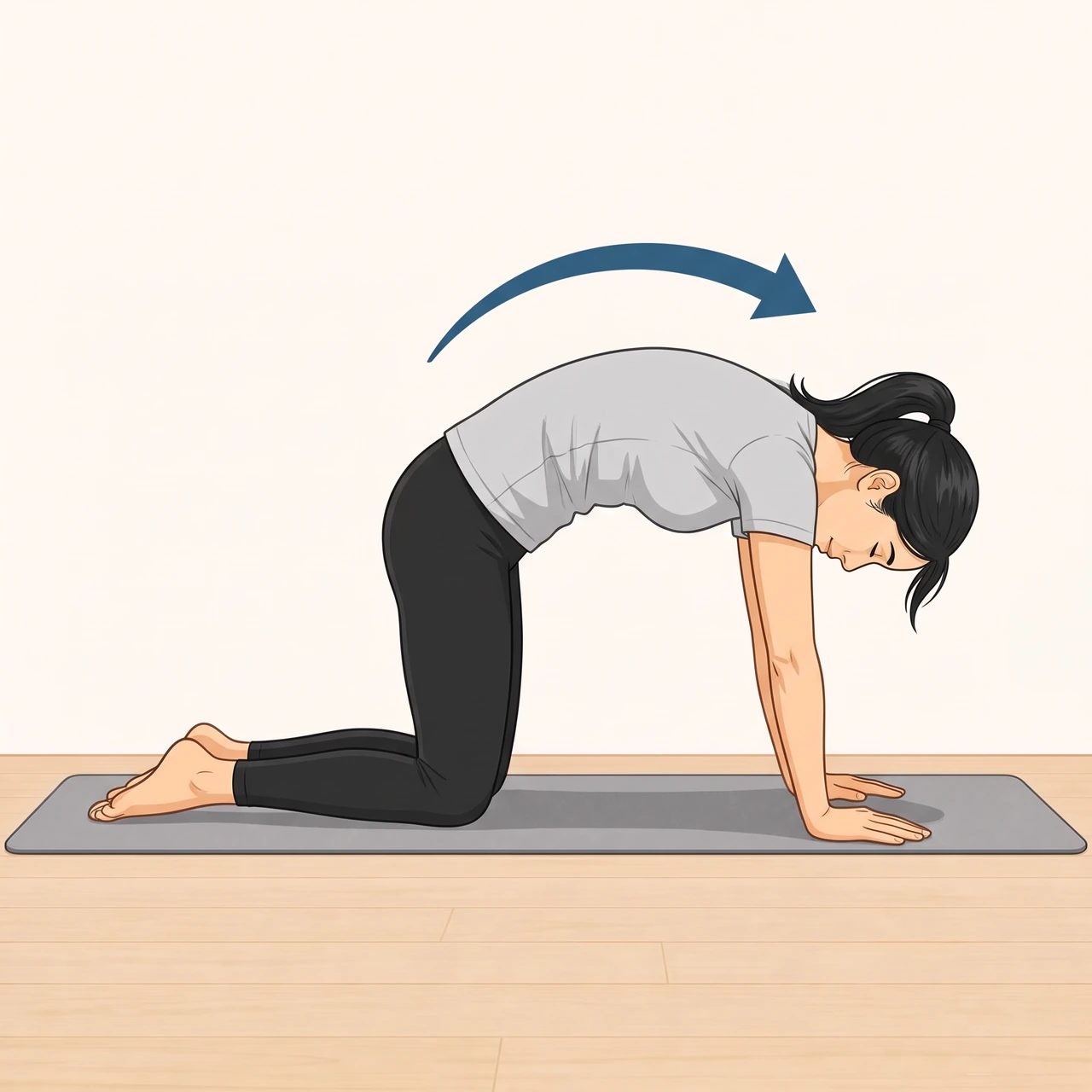
- Start on your hands and knees, hands under your shoulders and knees under your hips.
- Slowly round your back up towards the ceiling, letting your head drop.
- Then slowly let your back dip and lift your head a little.
- Move between the two gently ten times. This is about easy movement, not stretching hard at either end.
Lower back pain exercises for a back that keeps coming back
Once the flare has settled, building endurance in the muscles around your trunk and hips is what tends to help most. Start with a few repetitions and add more over a few weeks rather than days. These suit most people, but if one brings your pain back, leave it out.
Dead bug
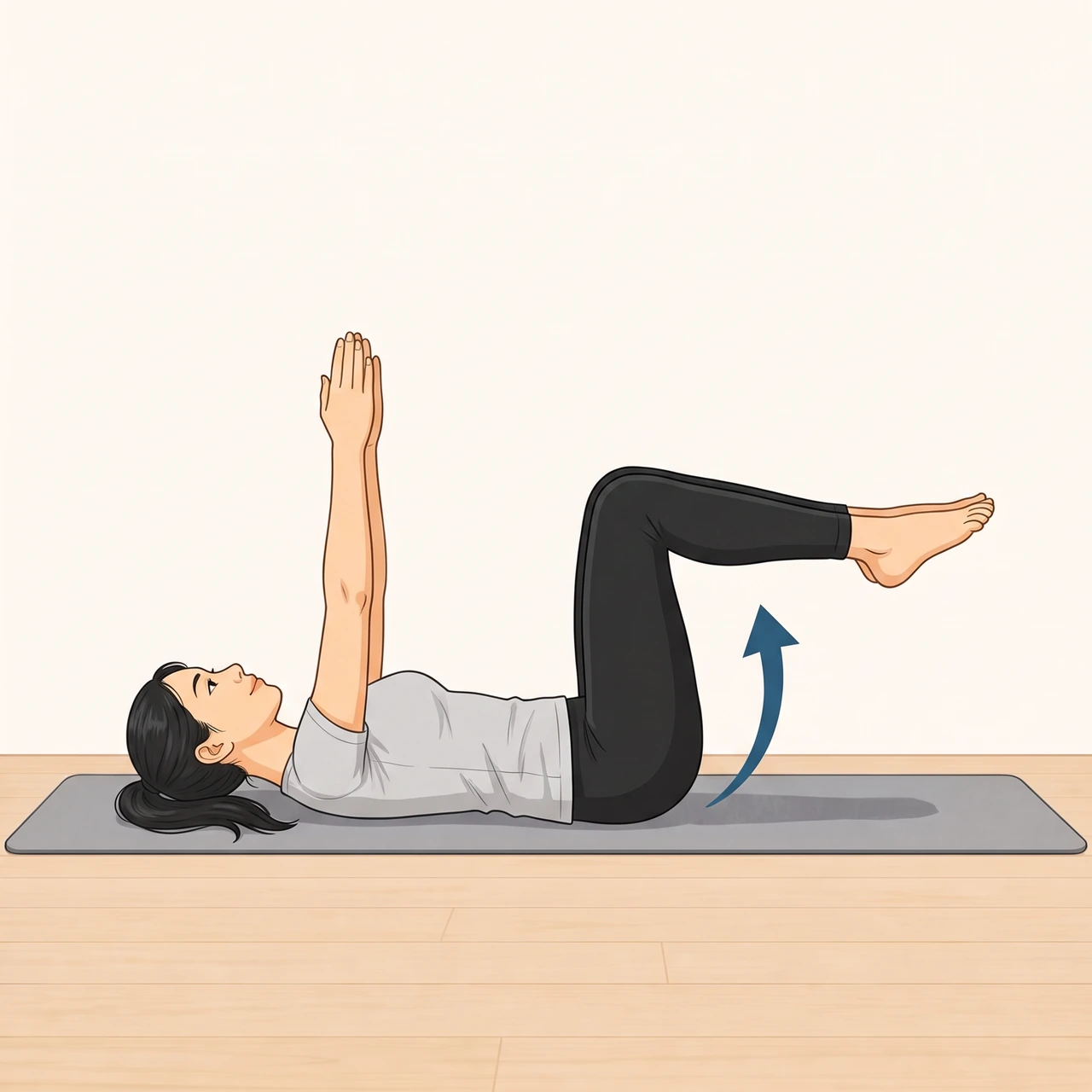
- Lie on your back with your arms pointing at the ceiling and your knees bent over your hips, as shown.
- Gently brace your stomach so your lower back stays in contact with the floor.
- Slowly lower one arm behind your head and the opposite leg towards the floor, then bring them back.
- Switch sides. Repeat six to eight times each side, slowly, without letting your back arch.
Side plank from the knees
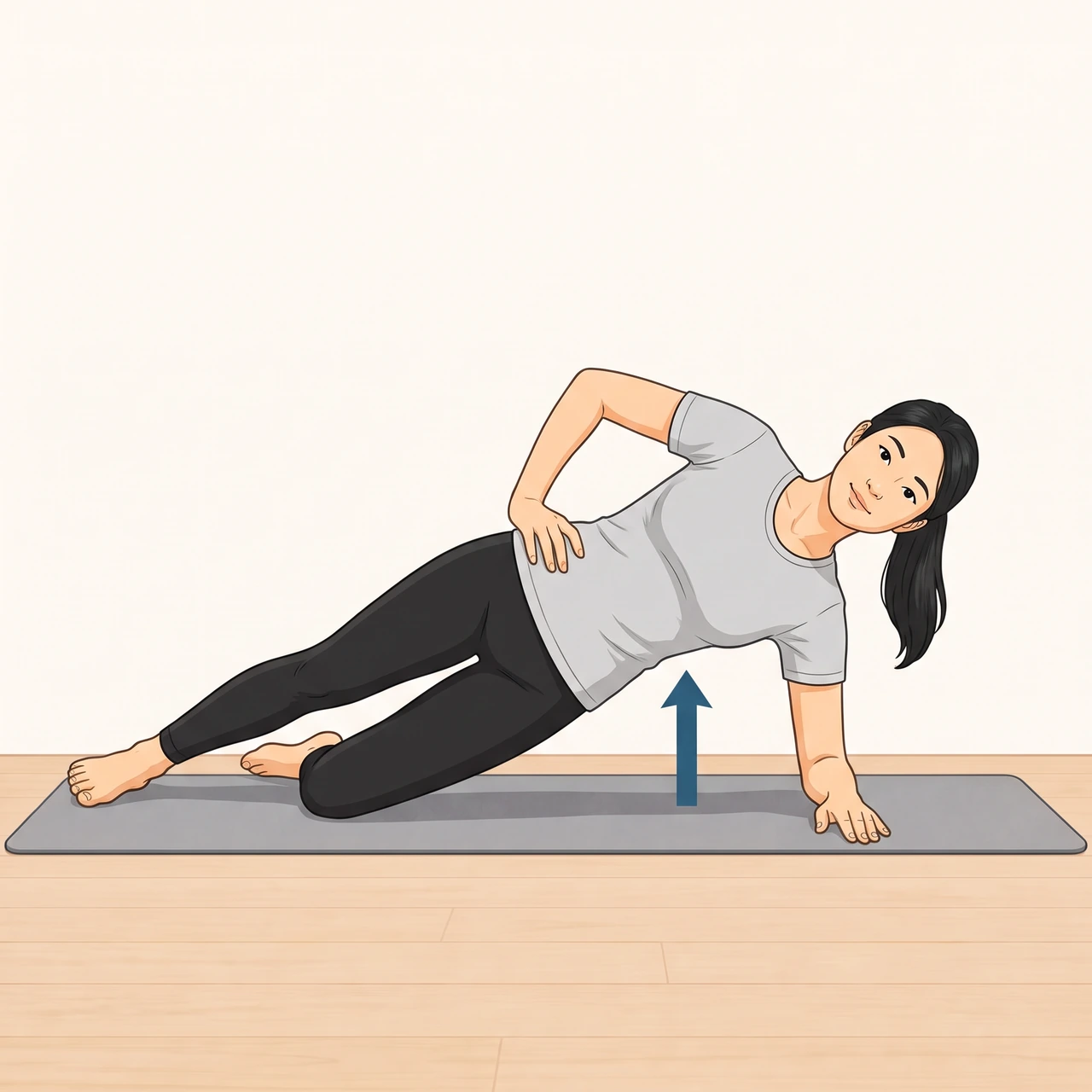
- Lie on your side with your knees bent and your elbow under your shoulder. Propping on your hand instead, as shown, is fine if your shoulder is comfortable.
- Lift your hips so your body is in a straight line from your head to your knees.
- Hold for ten seconds, breathing normally, then lower.
- Repeat three to five times each side, building towards thirty seconds over a few weeks.
Hip hinge
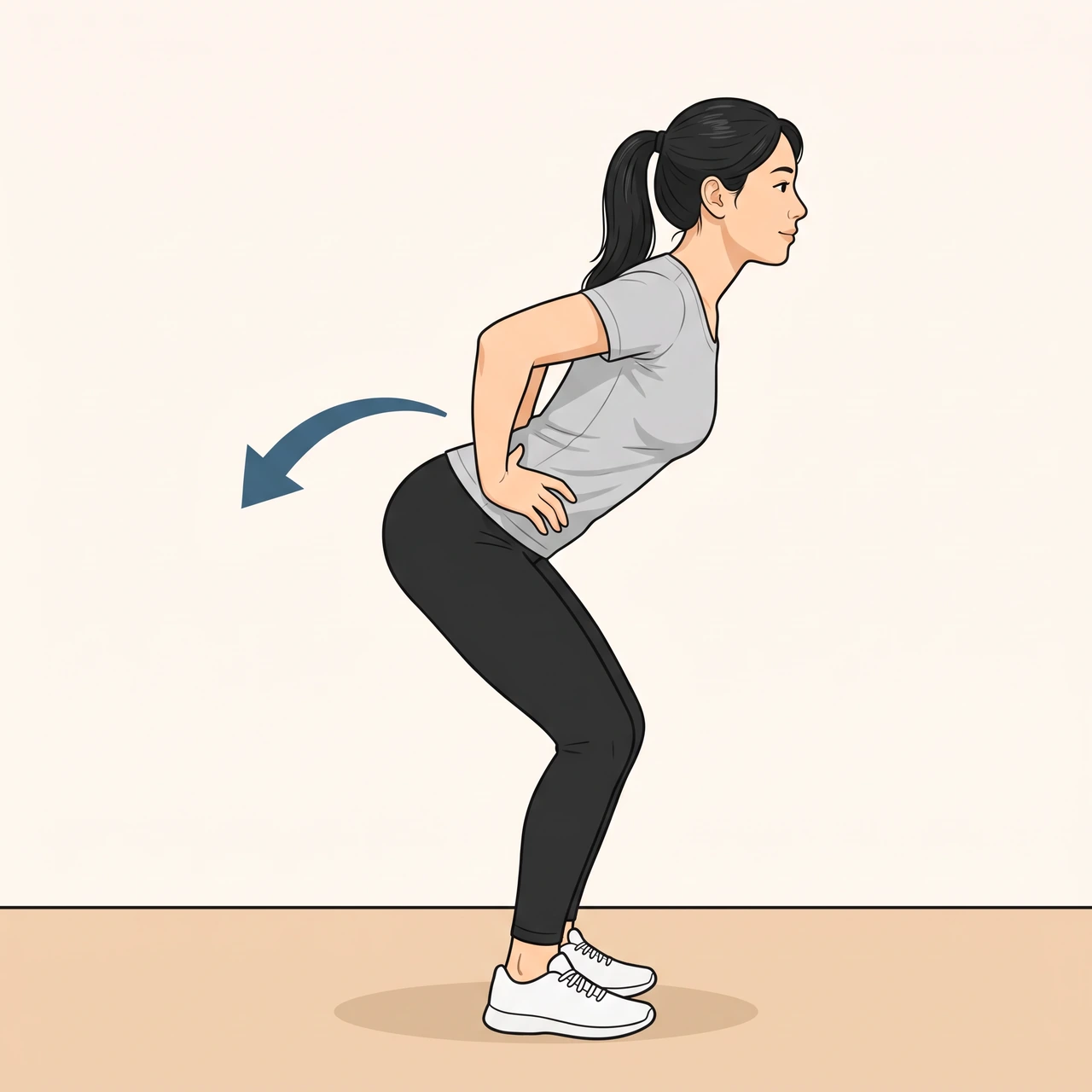
The hip hinge teaches you to bend from the hips rather than rounding through the lower back, which is how most of us end up straining it lifting a laundry basket or a toddler.
- Stand with your feet hip width apart and your hands on your hips.
- Push your hips back as if closing a car door with your bottom, letting your knees soften and your chest tip forward with a straight back.
- Go only as far as you can keep your back straight, then squeeze your buttocks to stand up.
- Repeat ten times. Once it feels natural, use the same movement every time you pick something up.
A five minute lower back routine for desk days
Long sitting is the most common thing we see feeding lower back pain in KL office workers, and no chair is good enough to sit in all day. Every 30 to 45 minutes, try this:
- Stand up and walk to the pantry or the printer and back.
- Stand with your hands on your hips and gently lean back five times, unless leaning back is what hurts.
- Do five slow hip hinges.
- Sit back down with your feet flat and your lower back supported, and set the next reminder.
It takes less time than making a coffee, and breaking up the sitting matters more than doing it perfectly.
Is this right for you?
Not sure if we can help with lower and upper back pain?
Tick anything that sounds like you. We will read it back honestly and tell you where to start, even if that is somewhere else.
Opens WhatsApp with your answers filled in. Nothing is sent until you press send there.
When lower back pain exercises are not enough
If your back has not improved after a few weeks of sensible home exercise, keeps flaring every few months, or any of the red flags apply, it is worth finding out what is actually driving it. At our clinic in Cheras that means an assessment of how your spine and hips move before anything is adjusted, and a plan that usually combines hands on care with exercise.
Our physiotherapy side builds strength programmes around your own back and progresses them as you improve. If pain is spreading down your leg, our pages on sciatica and slipped disc cover what tends to be going on.
Frequently asked questions
Should I rest or exercise with lower back pain?
For most lower back pain, staying gently active is better than bed rest, which tends to leave the back stiffer. Rest from whatever clearly makes it worse, but keep moving in the ways that feel comfortable.
How long until lower back pain exercises help?
A fresh flare often settles over a few weeks whatever exercise you do. For back pain that keeps returning, strength work usually needs several weeks of steady practice before the difference shows.
Is it normal for my back to ache after exercising?
A mild ache that settles within a few hours is common when you start moving a sore back again. Pain that is sharp, spreads into your leg, or is worse the next morning means that exercise should be eased off or left out.
Are sit-ups good for lower back pain?
Not usually the best choice. Repeated sit-ups bend the lower back over and over under load. Exercises such as the dead bug and side plank build the same trunk muscles while keeping the back steadier.
What if my lower back pain goes down my leg?
Pain travelling down the leg, especially past the knee or with tingling or numbness, suggests a nerve is involved, and some of these exercises may not suit it. Our sciatica exercises guide covers that pattern, and it is worth having assessed.
Lower back pain exercises: the bottom line
In a fresh flare, keep moving gently and do not worry about a perfect routine. If your back keeps coming back, steady strength work over weeks is where the research is most encouraging. Either way, stop anything that sends pain into your leg or leaves you worse the next morning. If you would like to know what is behind your own back pain, our page on back pain care in Cheras explains what an assessment with us involves.